

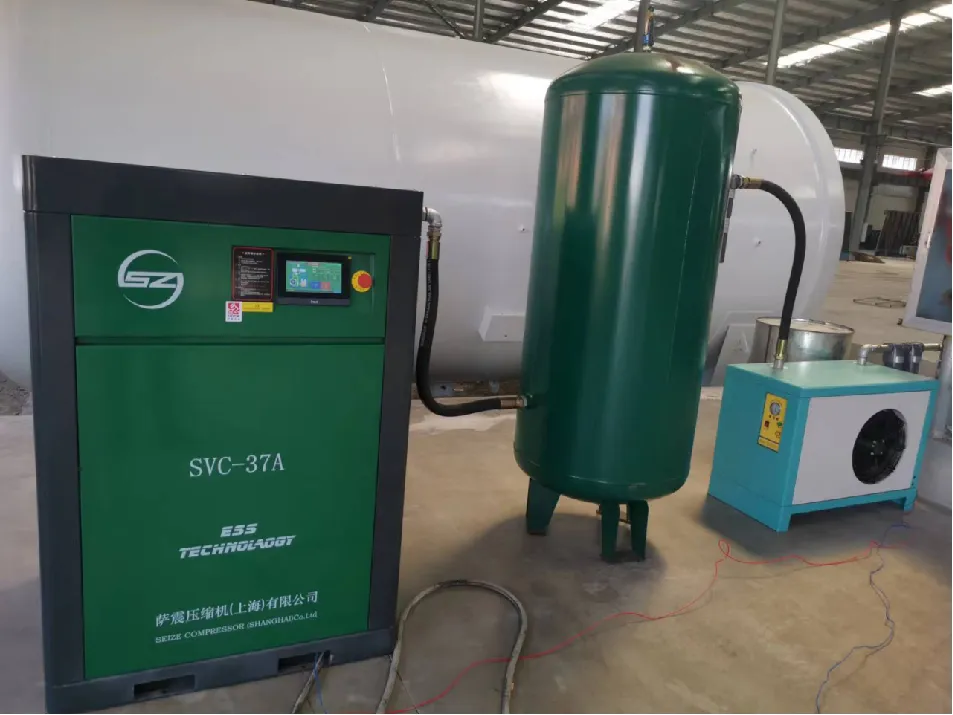
1. Energy Efficiency: A Major Drawback of Piston Compressors
Piston compressors are notorious for their high energy consumption. These machines operate using a reciprocating piston mechanism, which requires frequent starts and stops to maintain pressure. This on/off cycling leads to significant energy waste, especially during periods of low demand.
Consumer Impact:
- Higher electricity bills due to inefficient operation.
- Inconsistent pressure delivery, which can strain connected tools or machinery.
- Compliance challenges in regions with strict energy efficiency regulations.
Modern alternatives like rotary screw compressors use continuous rotation, reducing energy spikes and offering up to 30% lower energy costs over piston models.
2. Maintenance Costs and Complexity
Piston compressors have a high maintenance burden due to their mechanical design. Components like valves, piston rings, and crankshafts wear out quickly, requiring frequent replacements. Additionally, oil lubrication systems demand regular oil changes and filter maintenance, adding to operational expenses.
Consumer Pain Points:
- Frequent downtime for repairs or part replacements.
- Higher labor costs for maintenance.
- Risk of unexpected failures during critical operations.
In contrast, oil-free compressors eliminate oil-related maintenance, while rotary screw models have fewer moving parts, reducing wear and tear.
3. Noise and Vibration Issues
Piston compressors generate significant noise and vibration due to the reciprocating motion of the piston. This can create uncomfortable working environments, especially in residential or office settings.
Consumer Concerns:
- Noise pollution affecting nearby areas.
- Vibration-induced damage to equipment or structures.
- Stricter noise regulations in urban or commercial zones.
Modern compressors, such as scroll compressors or variable-speed drives, operate quietly and smoothly, making them ideal for sensitive environments.
4. Limited Scalability and Performance
Piston compressors are typically single-stage units with limited capacity, making them unsuitable for large-scale or high-demand applications. Their fixed-speed operation also means they cannot adjust output to match real-time requirements, leading to inefficiency.
Consumer Challenges:
- Inability to handle high-pressure or continuous-duty cycles.
- Scalability limitations for growing businesses.
- Overheating risks during prolonged use.
Rotary screw compressors and variable-speed drive (VSD) systems offer adjustable performance, ensuring optimal output while minimizing energy waste.
5. Environmental and Safety Concerns
Piston compressors often rely on oil lubrication, which poses environmental and safety risks:
- Oil leaks can contaminate air or workspaces, especially in food, pharmaceutical, or cleanroom settings.
- Disposal of used oil requires adherence to environmental regulations, increasing compliance costs.
Solutions for Modern Consumers:
- Oil-free compressors eliminate contamination risks.
- Energy-efficient models reduce carbon footprints, aligning with sustainability goals.
Why Consumers Are Switching to Modern Alternatives
The shift away from piston compressors is driven by the following trends:
- Cost Savings: Lower energy and maintenance expenses over time.
- Durability: Longer lifespan and fewer breakdowns.
- Versatility: Ability to handle diverse applications, from small workshops to industrial plants.
- Regulatory Compliance: Meeting stricter energy and environmental standards.
Popular Alternatives to Piston Compressors:
- Rotary Screw Compressors: Ideal for continuous, high-demand operations.
- Oil-Free Compressors: Perfect for clean environments.
- Scroll Compressors: Quiet and efficient for residential or commercial use.
Conclusion
While piston compressors remain a viable option for small-scale, intermittent use, their inefficiency, high maintenance, and environmental drawbacks make them increasingly obsolete for most applications. Consumers seeking reliability, cost-effectiveness, and future-proofing should prioritize modern technologies like rotary screw or oil-free compressors. By understanding these trends, buyers can make informed decisions that align with their operational needs and long-term goals.
Upgrade your operations with a permanent magnet two-stage compressor today! [Contact us] for a customized solution.
? Phone: +86-15021218862
? Email: sales@seize-air.com


