

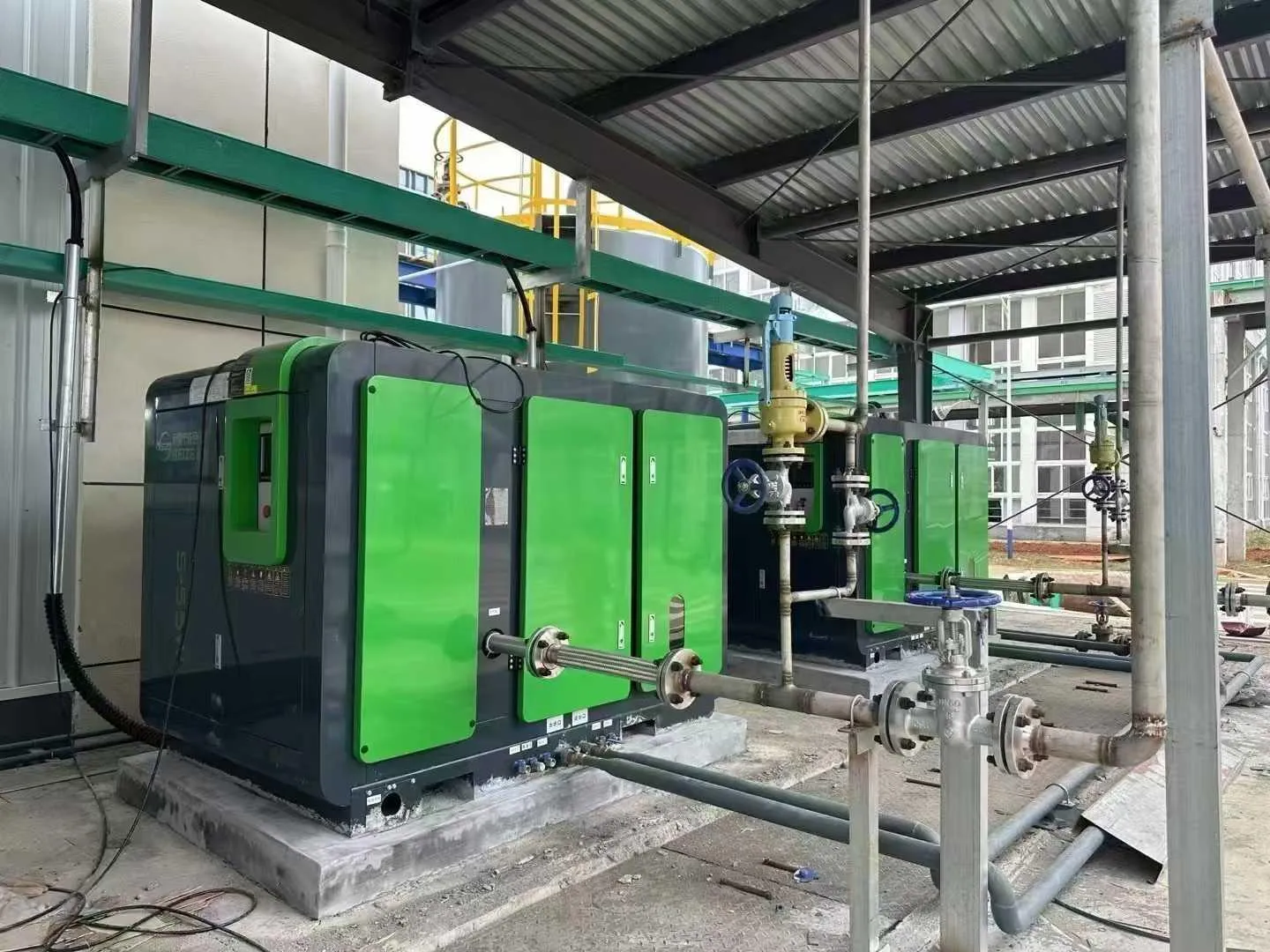
In today's industrial landscape, energy efficiency isn’t just a buzzword—it’s a necessity. Energy-efficient air compressors paired with waste heat recovery systems are revolutionizing how factories and manufacturing plants operate. These systems capture and repurpose wasted thermal energy, delivering tangible benefits for both profitability and the planet. Let's explore the top advantages of integrating a heat recovery system with your air compressor.
1. Slash Energy Costs by Up to 80%
Air compressors generate massive amounts of heat during operation—often wasted into the atmosphere. A waste heat recovery unit converts this thermal energy into usable resources like hot water, steam, or preheated air. By recycling 70-90% of otherwise lost energy, facilities can reduce their reliance on traditional heating systems, cutting energy bills dramatically. For example, food processing plants use recovered heat to sanitize equipment, while automotive factories preheat paint booths.
2. Accelerate ROI with Short Payback Periods
While the upfront cost of a heat recovery system for air compressors may seem significant, most installations pay for themselves within 1-3 years. Reduced energy consumption, lower maintenance costs, and extended equipment lifespan contribute to rapid returns. Case studies show manufacturers achieving 30% annual savings on energy expenditures post-installation.
3. Reduce Carbon Footprint & Meet Regulations
Industries face increasing pressure to comply with environmental standards like ISO 50001. By recycling waste heat, companies lower greenhouse gas emissions and avoid penalties linked to carbon-intensive operations. For instance, recovering 1 MWh of heat prevents approximately 0.4 tons of CO2 emissions—equivalent to planting 20 trees annually per compressor unit.
4. Extend Air Compressor Lifespan
Excessive heat strains compressor components, leading to frequent breakdowns. A waste heat recovery system mitigates this by maintaining optimal operating temperatures. Cooler compressors experience less wear on oil seals, valves, and motors, reducing downtime and repair costs by up to 25%.
5. Boost Overall System Efficiency
Integrating heat recovery transforms your air compressor into a dual-purpose asset. For example, recovered heat can:
- Warm facilities during winter
- Generate steam for industrial processes
- Power absorption chillers for cooling
This multifunctional approach maximizes equipment utilization and streamlines operations.
6. Qualify for Government Incentives
Many countries offer tax credits, rebates, or grants for adopting energy-saving technologies. In the U.S., the EPA's ENERGY STAR program and local utilities often subsidize waste heat recovery installations. These incentives further shorten payback periods and improve ROI.
7. Enhance Corporate Sustainability Goals
Consumers and investors increasingly favor eco-conscious brands. Implementing a heat recovery system demonstrates commitment to sustainability, strengthening your brand’s reputation. Share success stories in ESG reports to attract green-minded partners and customers.
Conclusion: Future-Proof Your Operations with Heat Recovery
Energy-efficient air compressors with integrated waste heat recovery aren't just a trend—they're the future of industrial energy management. From cost savings to environmental compliance, these systems deliver unmatched value. Ready to transform wasted energy into a competitive advantage? Contact our experts today to design a customized solution for your facility.
? Phone: +86-15021218862
? Email: sales@seize-air.com


